FATOUMATA DIAWARA
“Music wasn’t something I chose as a strategy.
It was something I held onto.”
Fatoumata Diawara's journey has never followed a straight line. Born in Côte d'Ivoire, raised in Mali, and later living and creating between Africa and Europe, her life has been shaped by movement, culture, and adaptation. Each place left its imprint, not as a strategy, but as lived experience.
Music was never a calculated decision. It was something she held onto. In moments of uncertainty and difficulty, it became a way to understand herself and the world around her. Over time, that deeply personal connection evolved into a profession, though she has always been intentional about protecting its intimacy. For Fatoumata, music remains a space of truth rather than performance.
Her artistic path began in motion. As a dancer in her father's troupe, she first appeared on stage through the didadi dance. Cinema soon followed, introducing her to international audiences with her role in Sia, le rêve du python by Dani Kouyaté. Later, after years of travelling with the Royal de Luxe company, her voice carried her into theatre, music, and storytelling across borders.
Encouraged to sing her own songs, she taught herself guitar and began performing in Parisian bars. What emerged was a sound rooted in Mandinka rhythms, woven seamlessly with influences from afrobeat, jazz, pop, rock, and electronic music. Her work resists categorisation, not by intention, but by nature.
Fatoumata’s career has been marked by both artistic recognition and cultural commitment. Her debut album Fatou introduced a voice that felt intimate and expansive at once. In the years that followed, she gathered Malian artists to respond creatively to political crisis, collaborated across continents, and continued to use music as a form of dialogue rather than dominance.
In 2018, she received a Grammy nomination for Best World Music Album, followed by a Victoires de la Musique nomination the following year. Yet achievement has never been the centre of her narrative. For Fatoumata, the focus remains on continuity, responsibility, and connection.
When she speaks about manifestation, she does so simply. It is not about force or control, but about listening. About patience. About making choices that feel right, even when they are difficult. Her path, built step by step, reflects a trust in intuition rather than a fixed plan.
There have been challenges, both personal and professional. Leaving home at a young age, navigating new cultures, and working within an industry that can misunderstand difference required resilience. She credits not only her own perseverance, but also the support of those who believed in her. Growth, she has learned, takes time. Sometimes it means simply not giving up.
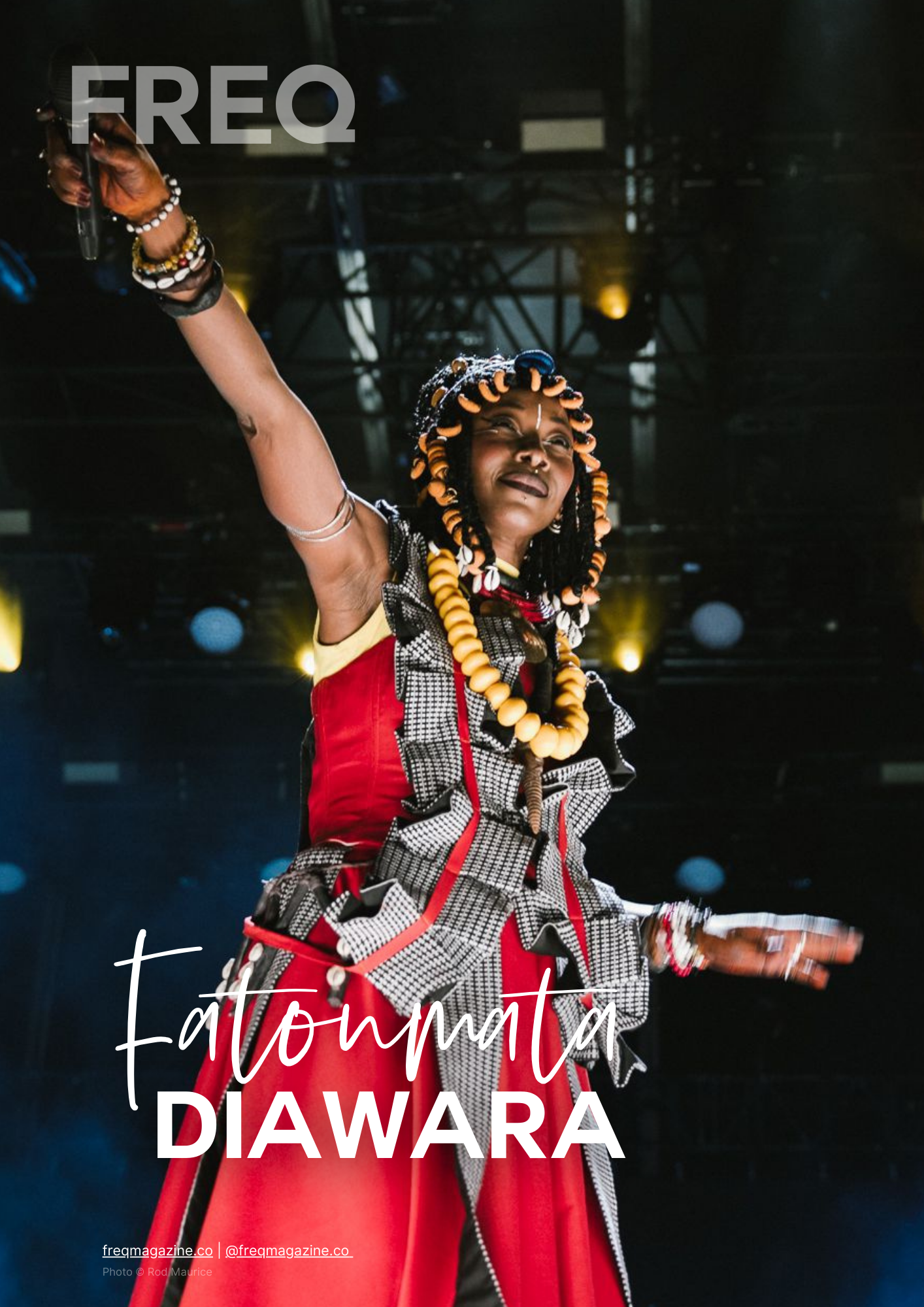
In 2023, Fatoumata returned with London Ko, a project shaped by collaboration and creative exchange, notably with Damon Albarn. The album reflects her belief in cultural transmission and shared creation. In 2025, she rejoined the Lamomali collective, continuing a dialogue between tradition and contemporary expression.
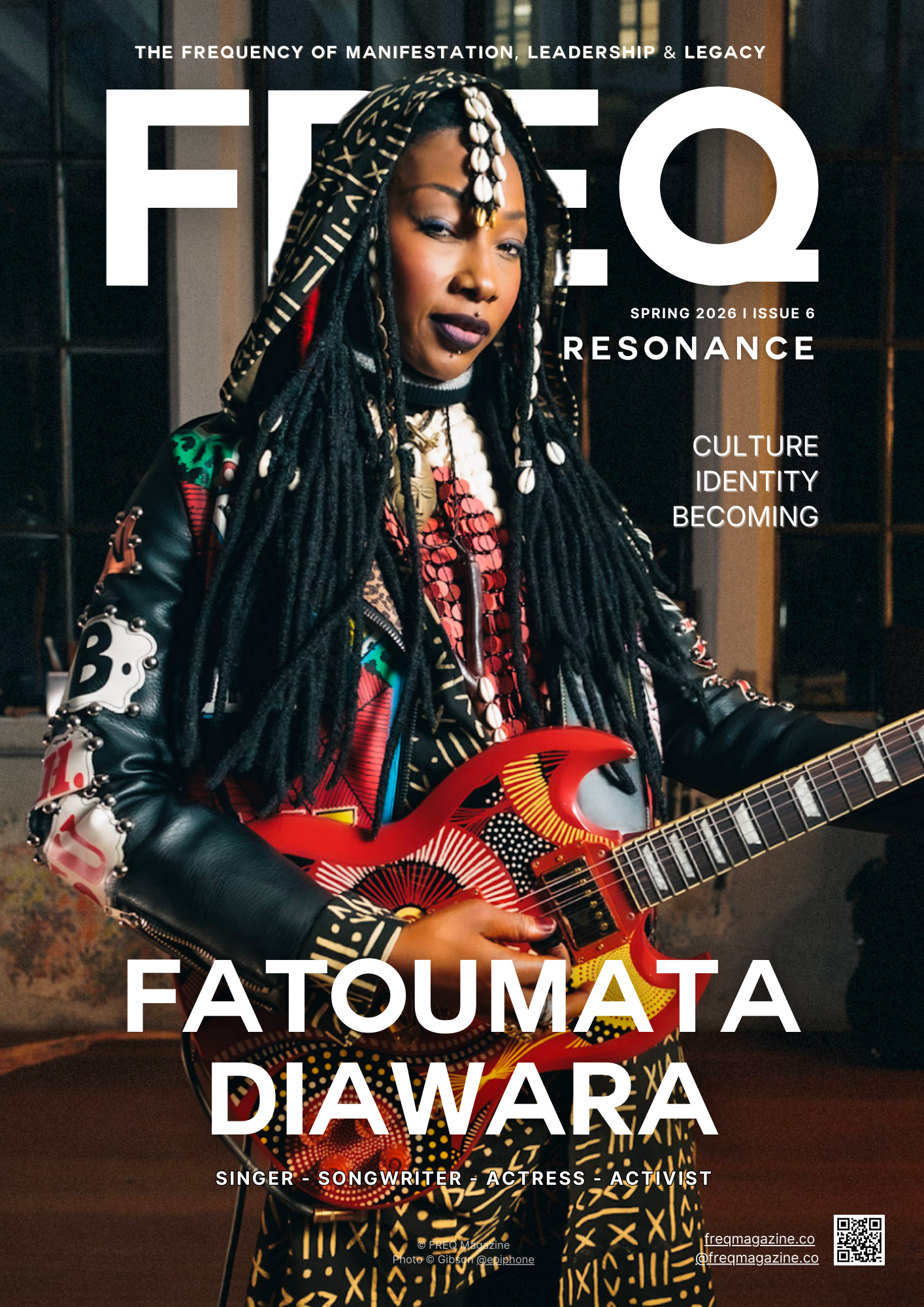
In January 2026, Fatoumata made history as the first woman of colour to receive an Epiphone signature guitar, a recognition of her relationship with the instrument and her influence as an artist. She is currently preparing her next studio album, Massa, a deeply personal work exploring balance, motherhood, faith, memory, and the social realities that shape our lives.
Looking ahead, her aspirations are grounded rather than grandiose. She hopes to continue growing, to explore production and film music, to collaborate across generations, and to support younger artists finding their voice. More than anything, she wants to keep creating work that feels true.
Her message is clear and unadorned: you do not need to become someone else to succeed. Your story, your culture, your voice, even your doubts, are part of your strength.
-
Discover more about Fatoumata and her music: